E-commerce SEO That Brought a Car Accessories Shop Back to Life
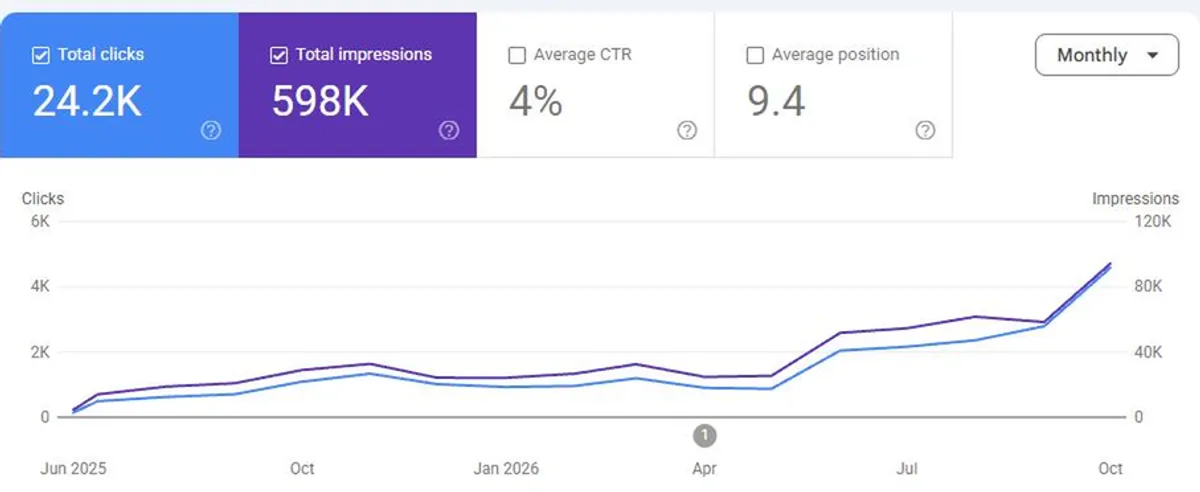
OpremaZaAuto had a WooCommerce shop full of products and almost nobody finding them. One or two orders a month. We rebuilt how the store talks to Google: real keyword research, category descriptions, meta titles, product attributes. Today it pulls 4,500+ Google clicks a month and books 33x more orders than before.

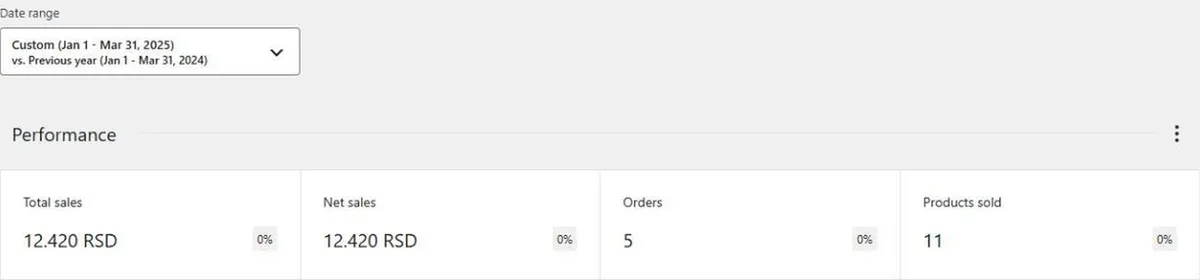
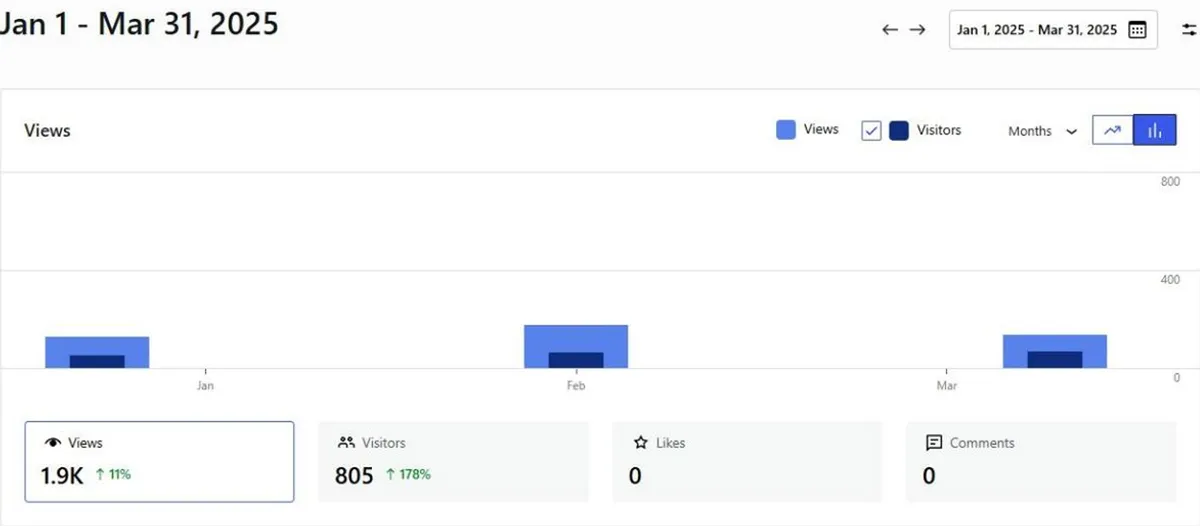
Search Console, WooCommerce and Jetpack data for Oprema za Auto

Why a car accessories web shop wasn't getting found on Google
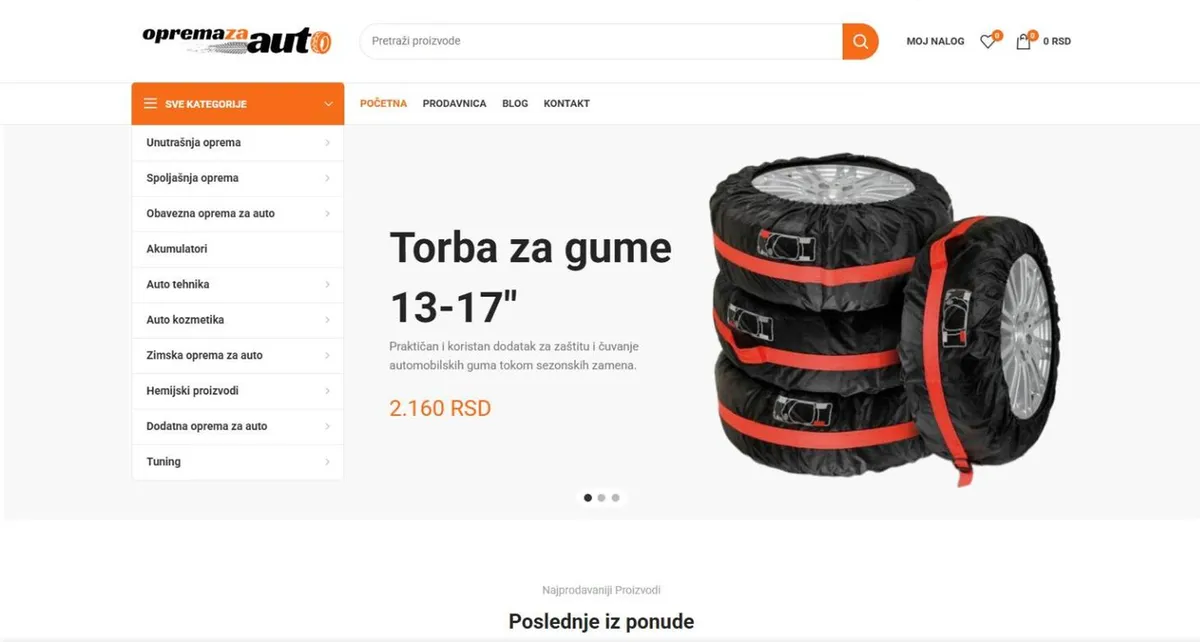
Oprema za Auto is a car accessories web shop. Mandatory equipment kits, steering wheel covers, seat covers, hubcaps, wheel wrenches, sun shades, snow chains. Everyday stuff people actually search for. The shop ran on WordPress and WooCommerce, the catalog was there, checkout worked.
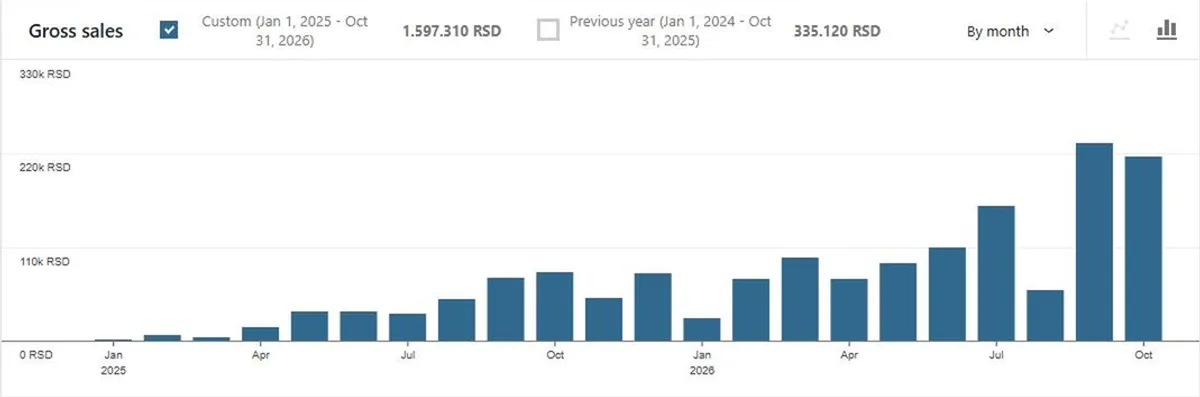
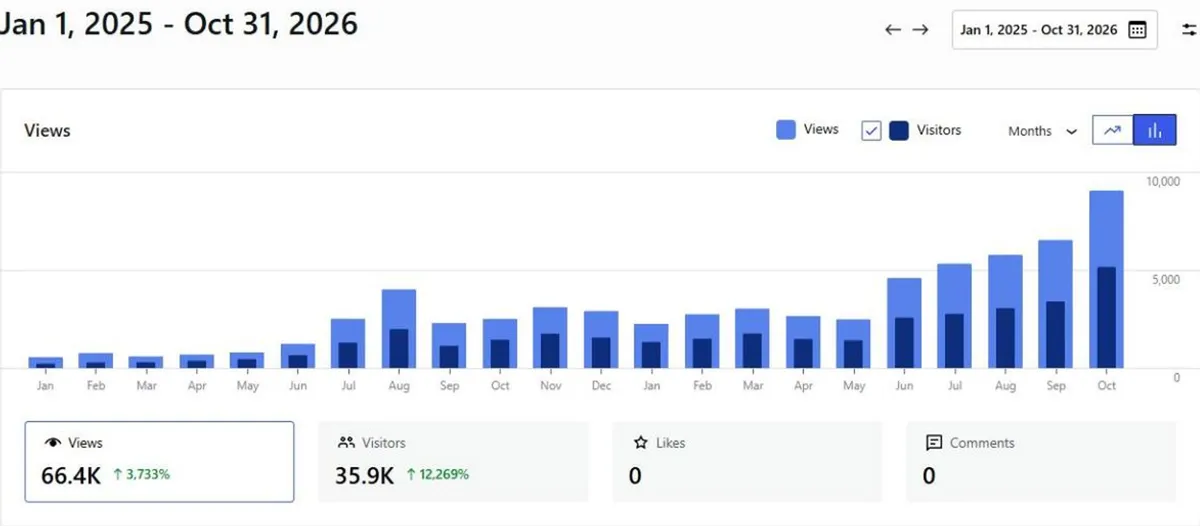
The problem was simple. Nobody was finding it. In the first quarter of 2025 the store took 5 orders. Total. Jetpack showed between 200 and 300 visitors a month, and Google ranked the site somewhere on page two or three for most terms. A shop like that isn't failing, it's invisible.
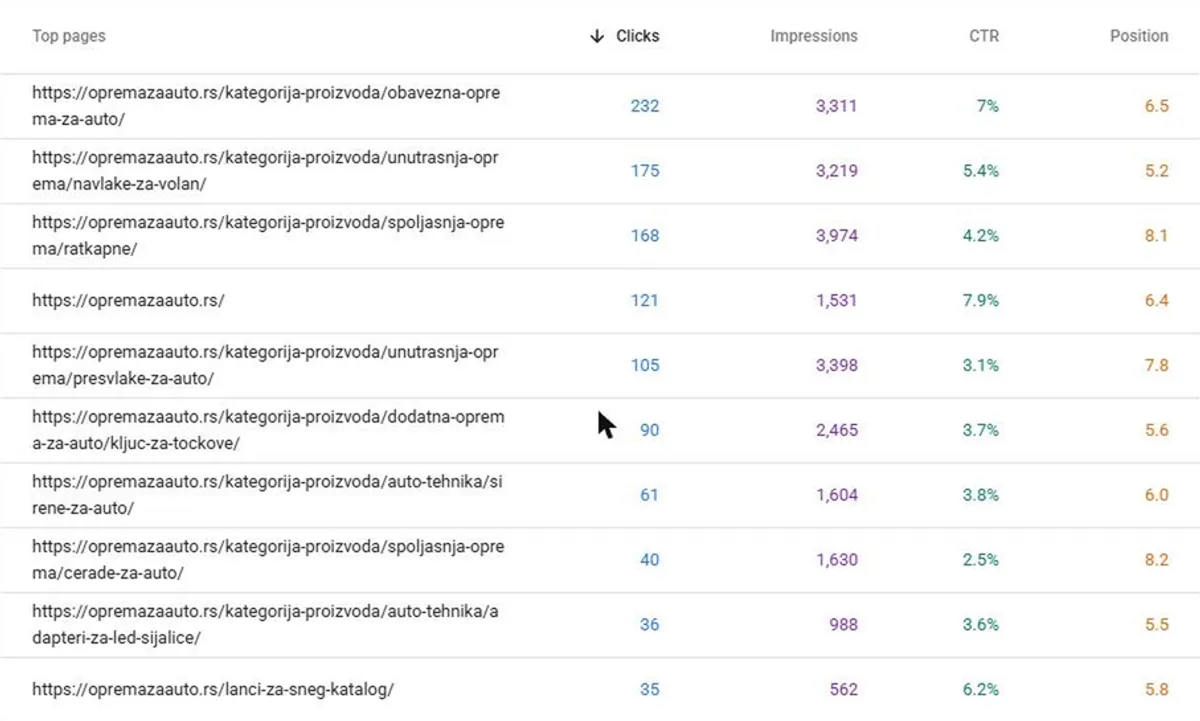
It's a small market. There's no huge search volume to hide behind, so every keyword has to be the right one. The goal wasn't vanity traffic. It was getting the shop in front of people who were already typing "obavezna oprema za auto" into Google with their wallet open.
What was holding the WooCommerce store back in search
E-commerce SEO for WooCommerce: keywords, categories, meta and attributes
Keyword Research With Real Search Terms
Category Descriptions That Actually Say Something
Meta Titles and Descriptions Written to Get the Click
Product Attributes and Store Structure
SEO results: organic traffic, rankings, orders and revenue growth
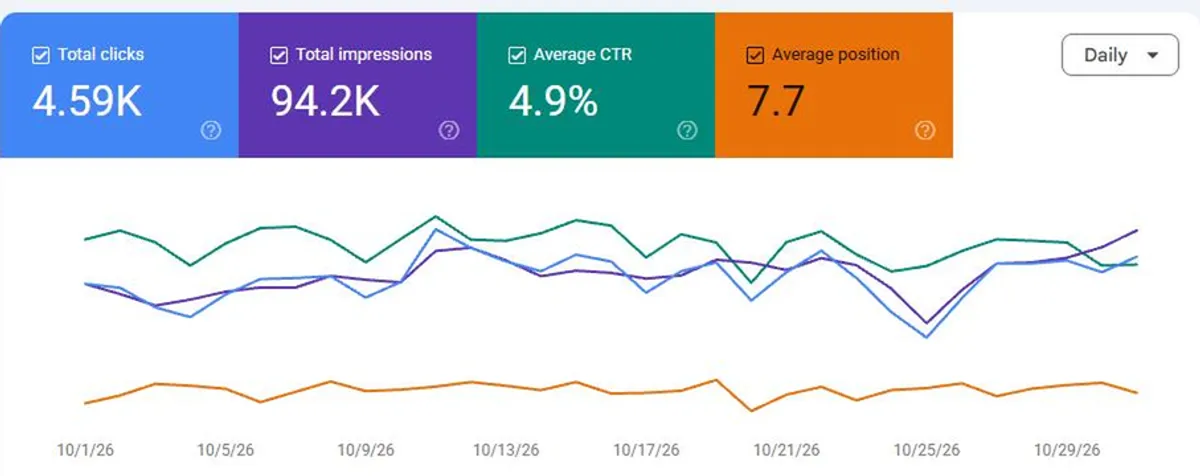
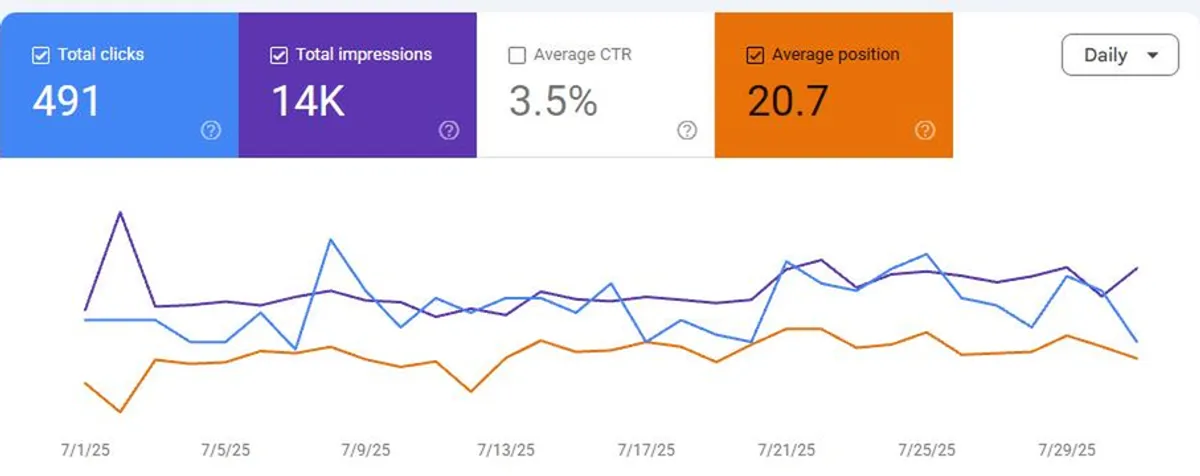
Avg. Position 20.7 → 7.7
491 → 4,586 Clicks a Month
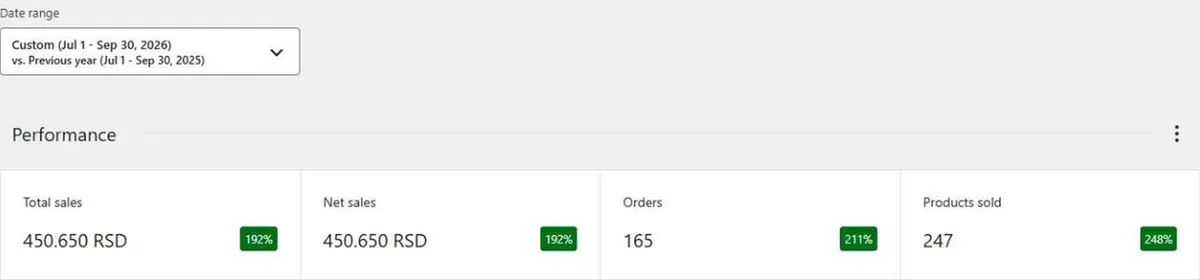
5 → 165 Orders per Quarter
Revenue +242% Year Over Year
Why e-commerce SEO works even in a small market
Nothing here was a trick. The store already had the products. It just didn't speak the language its customers used on Google. Fix the keywords, write category pages that explain what's on them, give every page a title worth clicking, fill in the product data. Boring work. It compounds.
Small markets punish guessing. When a keyword has a few hundred searches a month, you can't afford to target the wrong one. Do the research, build the store around real searches, and a shop doing one order a month turns into one doing 50 to 85. That's the difference between a hobby and a business.


